
167 | Struggling After Loss? The Truth About Miscarriage Symptoms
Miscarriage is one of those experiences that changes you quietly. You may look the same on the outside, still going to appointments, still answering texts, still showing up for life – but inside, something has shifted. There is grief, fear, confusion, and often a deep sense of being alone in it. In this culture, we are talking about miscarriage more than we used to, but there are still so many details that go unspoken. The physical symptoms that don’t always make sense, or the emotional crash that hits when everyone else thinks you should be “okay.” There’s spiritual wrestling with God when your prayers feel unanswered.
If this is where you are, I want you to know this: you are not weak for struggling, and you are not alone in it.
When Loss Doesn’t Look the Way You Expected
One of the hardest parts about miscarriage is that it doesn’t always follow a clear script. Some women experience obvious symptoms like heavy bleeding or intense cramping. Others experience a silent miscarriage, where baby has passed, but the body hasn’t yet shown signs. This can feel especially traumatic because it often comes with shock and disbelief.
You may look back and realize there were signs you didn’t recognize at the time. Or you may truly have had no warning at all. Both experiences are real, and both are incredibly painful. On this episode of the podcast, I sit with you in these hard places, sharing parts of my own painful miscarriage journey.
Spotting, mild cramping, or fading pregnancy symptoms can be normal in pregnancy, but they can also be associated with loss. That gray area is what creates so much anxiety for women. Your fear makes sense. You’re responding to uncertainty and love for your baby.
Sitting With Jesus in Grief
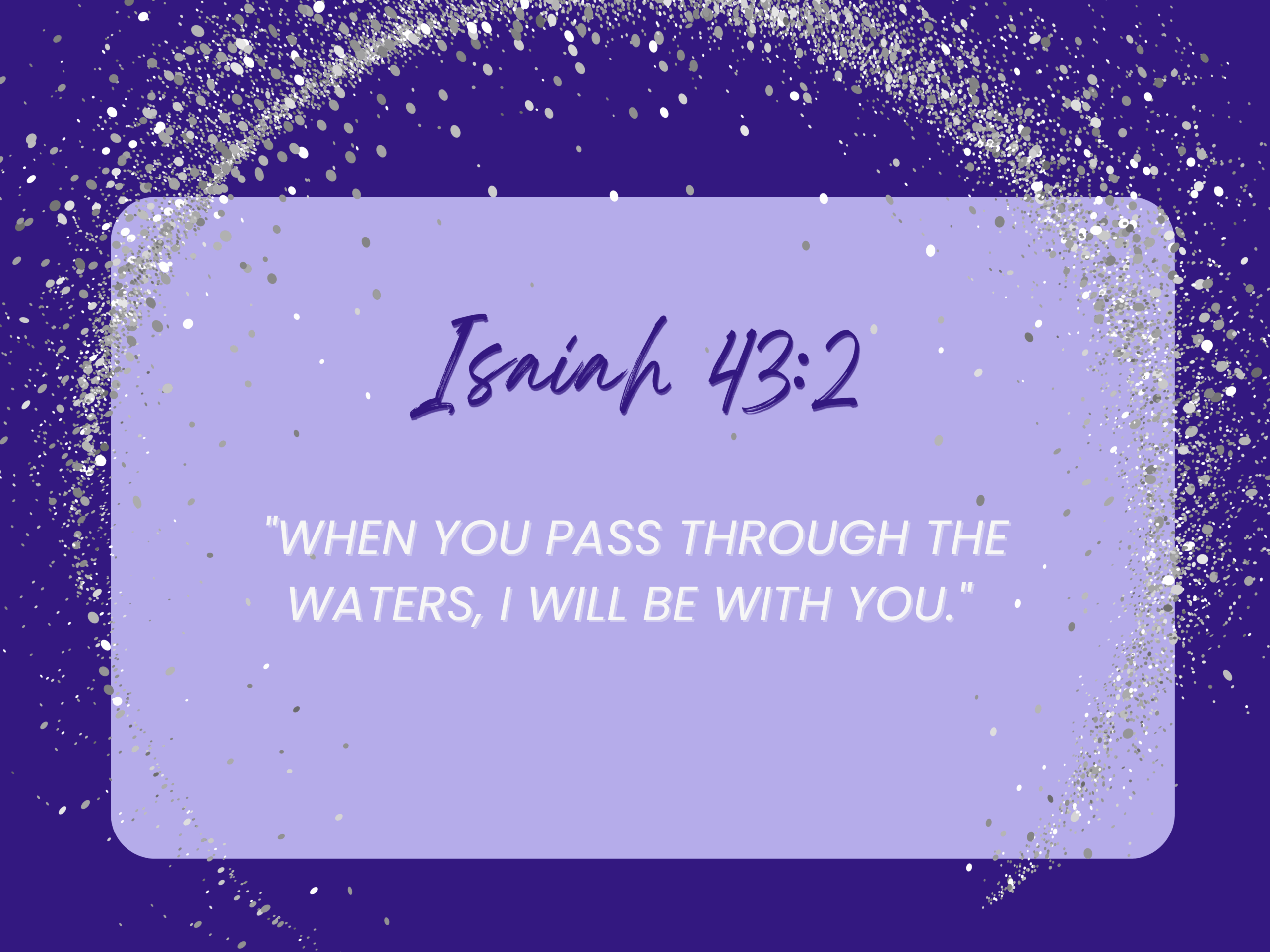
In my own miscarriage journey, there was a moment where I felt the weight of being pregnant while knowing my baby was no longer alive. It was surreal, dark, and deeply sad. In those moments, one passage of Scripture became an anchor for me. “When you pass through the waters, I will be with you” – (Isaiah 43:2). Notice what God says here. He doesn’t say if you pass through the waters. He says when.
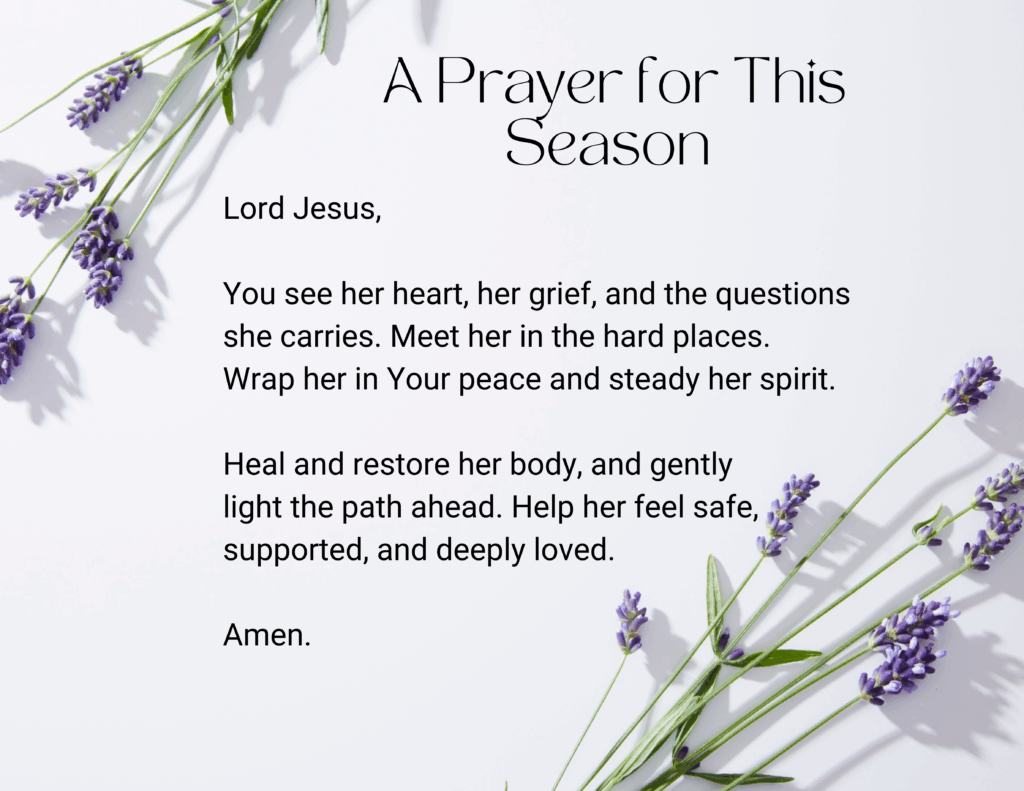
Loss is not something God is surprised by, and it’s not something He asks you to walk through alone. Jesus does not rush us out of grief. He sits with us in it. He can do this because He knows deep pain and suffering. Sometimes the most healing thing we can do is slow down, close our eyes, and allow His presence to steady our hearts even when nothing else feels steady.
The Emotional and Spiritual Crash
After miscarriage, many women experience an emotional and spiritual crash that feels almost as intense as the physical loss. This can look like deep grief, numbness, anxiety, anger, or even shame. You may find yourself replaying every detail of your pregnancy, wondering if you missed something or did something wrong. Hear this clearly: this is not your fault.
We live in a broken world, and loss is not a punishment or a personal failure. Scripture tells us that suffering is part of life and that Christ Himself understands suffering deeply. Your grief does not scare God. Your questions do not push Him away. He is near to the brokenhearted. Inside of my Fertility Framework program, we dive into the places in Scripture where God sees the longing woman. He sees you too.
What Happens in the Body After Miscarriage
When trauma happens, it often knocks us outside our ability to emotionally regulate. There is a concept called the window of tolerance, which helps explain why grief can feel so overwhelming. When we are too low emotionally, we feel frozen, numb, and unable to function. When we are too high, we feel panicked, angry, or out of control. Healing often begins with gently guiding ourselves back into the middle space where we can breathe, eat, pray, and take care of our bodies again. This is not about rushing grief. It’s about staying supported within it. Caring for your nervous system is not a lack of faith. It is stewardship of the body God gave you.
Physically, miscarriage often comes with bleeding, spotting, and significant hormonal shifts. Ovulation may return quickly, but that does not mean the body has fully healed. After loss, hormones can be irregular, progesterone can be low, and root issues like thyroid dysfunction are often overlooked. This is why many women feel pressure to “try again” while still feeling emotionally and physically fragile.
In my own journey, it wasn’t until I paused and addressed what my body was going through that true healing began. That pause changed everything.
Practical Takeaways for This Season
If you are walking through or recovering from miscarriage, here are a few gentle truths to hold onto:
- Your symptoms and emotions are valid
- Healing takes time
- It is okay to seek support and ask questions
- Root-cause healing matters before trying again
- Jesus is near, even when answers feel far away
A Gentle Invitation

If miscarriage is part of your story, I want to invite you into support, not pressure.
You can download my free Faith-Driven Fertility Thyroid Handout – a resource to help you advocate for your health and understand a commonly missed root issue.
If you just want to chat, I offer free 10-minute consults where I can provide personalized guidance and prayer.
And when you’re ready, I’d love to walk alongside you inside Fertility Framework, where we focus on healing, hormone support, and faith-centered care after loss. You don’t have to walk this road alone.
January 22, 2026
you're not alone!
you're not alone!
COME HANG WITH
SISTERS IN CHRIST
FOR POSITIVE FERTILITY COMMUNITY
JOIN NOW
Are your
hormones off?
TAKE THE QUIZ TO FIND OUT!
TAKE QUIZ
Where are you in your fertility journey?
SELECT THE SEASON THAT YOU'RE IN
I'M TRYING TO GET PREGNANT
SHOW ME STEPS
FOR NATURAL SUPPORT
WHILE KEEPING GOD FIRST
I NEED THIS
I'M POST MISCARRIAGE
SHOW ME HOW TO
GET PREGNANT & STAY PREGNANT WHILE TRUSTING GOD'S TIMING
YES & AMEN!
I AM PREGNANT!
SHOW ME WAYS TO
NATURALLY SUPPORT MY
PREGNANCY & LABOR DAY
I WANT THIS


a daughter of God, wife, and mother. I have three children here on earth, and three babies in heaven. I'm so glad you're here to get some encouragement in your fertility journey!
Hey, sister!I'm Bekah -
Are your
hormones off?
TAKE THE QUIZ TO FIND OUT!
TAKE QUIZ
on the podcast!
TOP 1.5% GLOBALLY RANKED
TOP 60 ALTERNATIVE HEALTH
Learn more




Be the first to comment